Solar is among the few renovations that keeps paying you back, but the difference between a delightful system and a disappointing system is rarely the panel brand the panel brand. It is how honestly the household's usage was measured, whether the roof was truly ready, and whether anyone took the time to explain what the output figures actually mean in daily life.
Start with usage, not hardware
Before a single panel is ordered, we look at how your home behaves across a full year: when cooling runs hardest, whether there is a pool pump or an electric vehicle in the picture, and how the household's patterns may shift over time.
- Consumption profile. What you use and when you use it decides the sensible array size.
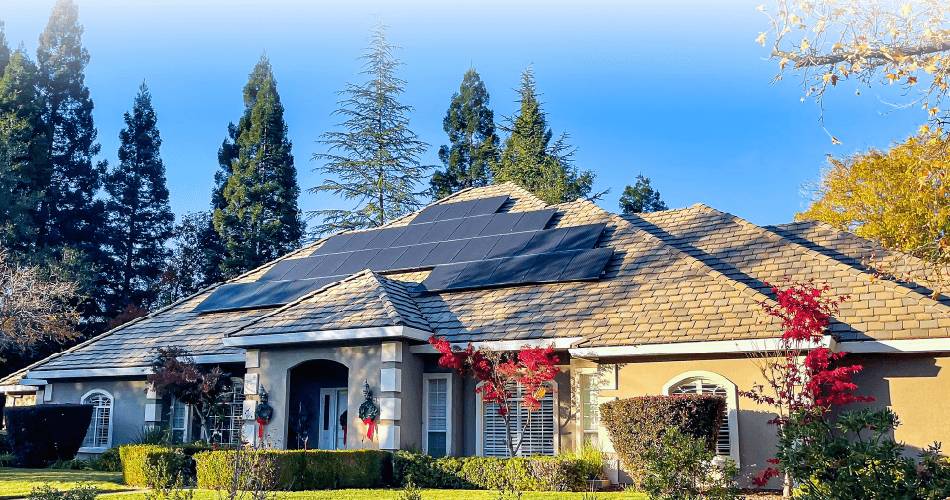
- Roof orientation and shading. Morning and afternoon shadows from trees or taller buildings shape the realistic yield.
- Roof age and structure. Panels typically outlive the roof beneath them, so an ageing surface is best upgraded beforehand.
- Where the power will go. Net metering terms, battery options and future loads all influence the plan.
Roof and solar belong in the same conversation
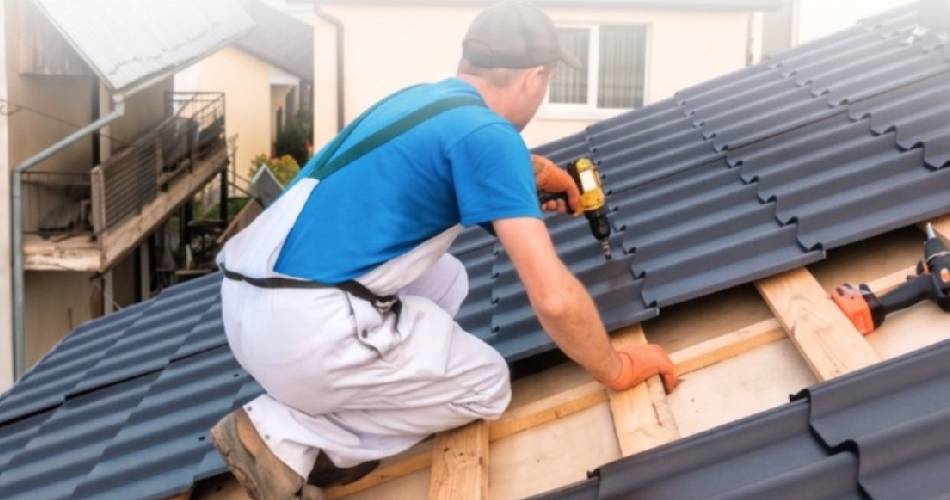
Mounting an array on a tired roof means paying for removal and refitting later. Combining a roofing upgrade with the solar installation is the tidiest sequence: a single access plan, a single inspection, a single clean finished roof with the panels set exactly where the space and shade profiles suit them.
The best solar design is invisible in daily life. You notice steadier energy, not hardware.
Permits, paperwork and the parts you never see
Behind the visible panels sit racking, flashing, conduit runs, an inverter and a permit set. That hidden layer is where workmanship shows. Penetrations flashed properly, conduit run neatly along existing lines and a labelled main panel are the quiet marks of a professional install. We handle the permit path and inspections so you are never chasing an approval.
Living with a solar home
Once it is running, a monitoring app turns the system into something you can actually read: what the array is producing, what the house is drawing and when it makes sense to run larger loads. Seasonal swings are normal — coastal summers push production up while winter bills creep back in — and knowing the shape of the year prevents a lot of disappointment.
Maintenance that keeps the yield steady
Solar has very little to maintain, but it does benefit from attention after storm season: a visual check of mounts and flashing, a rinse when dust or pollen settles, and an annual review of inverter data. We keep records so a future buyer or insurer can see the system has been cared for.
If you would like to know what your roof could realistically produce, we will walk the property, look at the shading and give you a straight answer — including the case where solar is not yet the right move.